Product Description
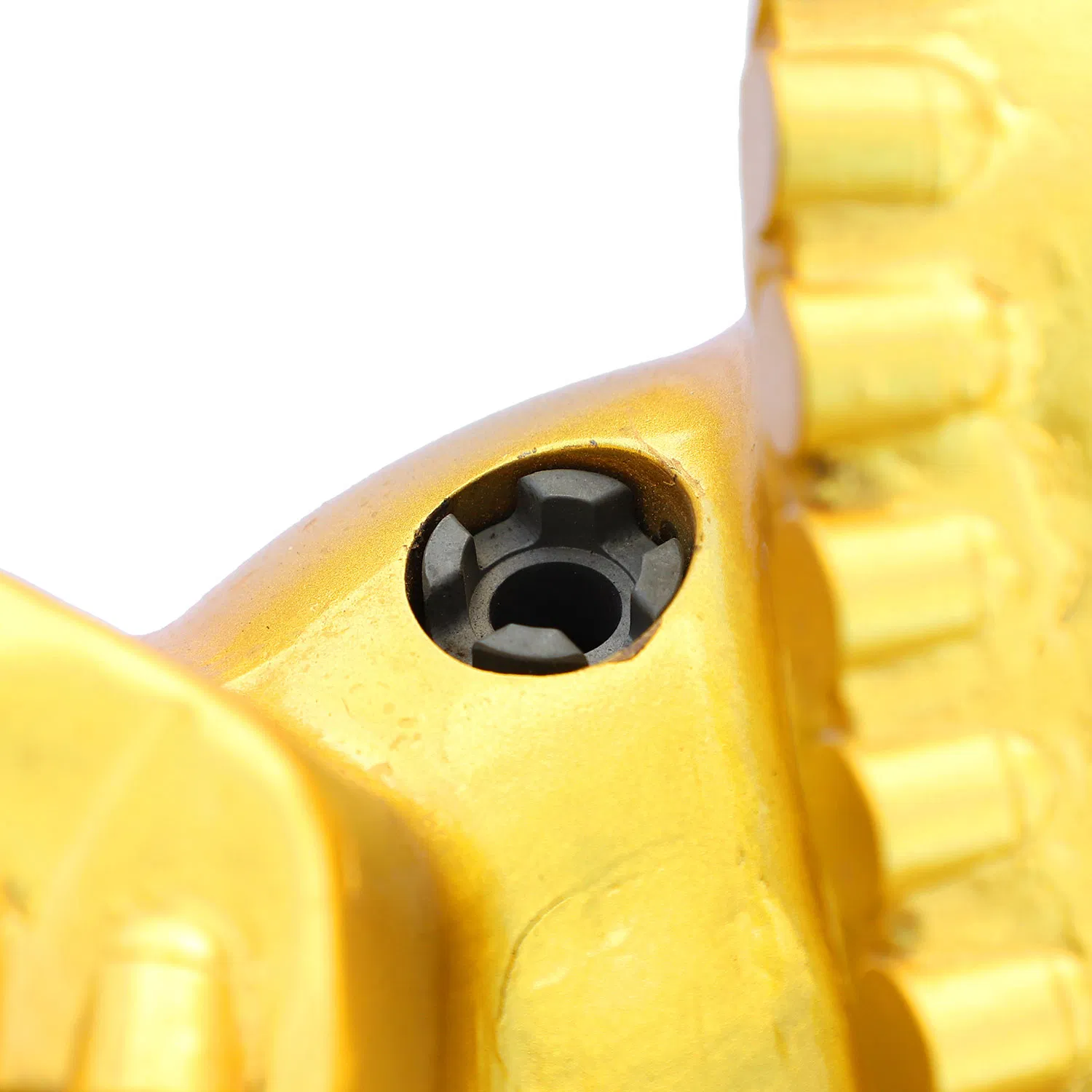
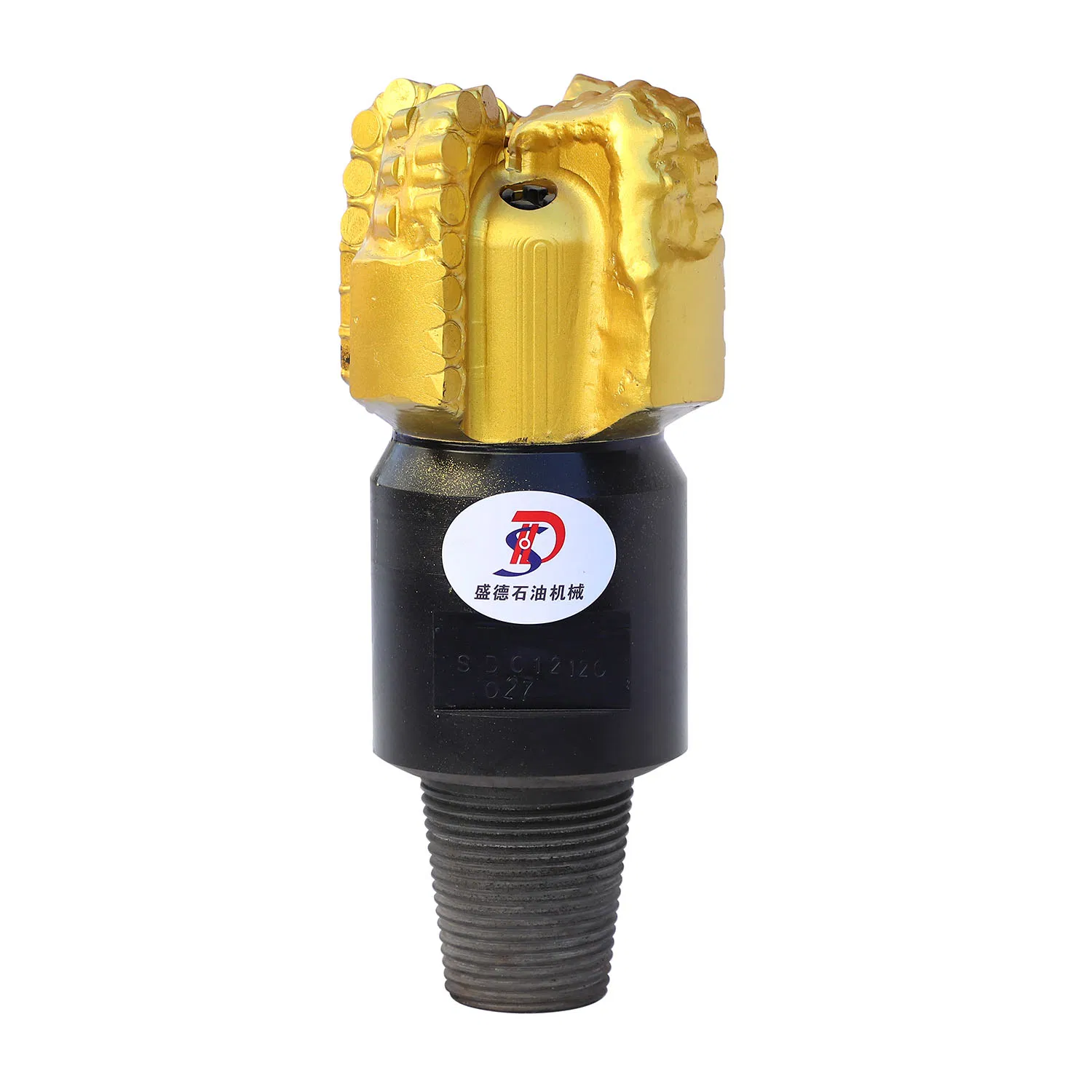
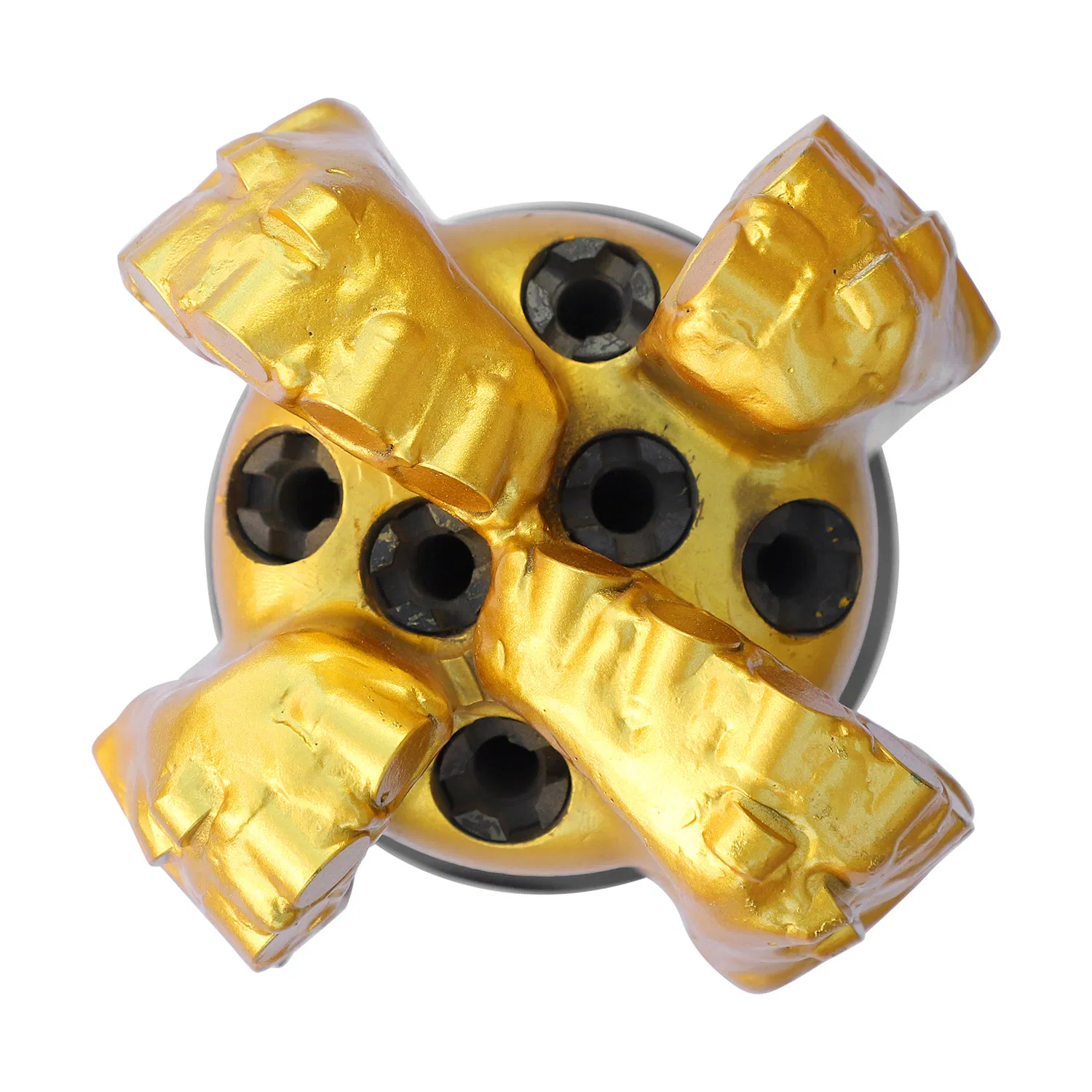
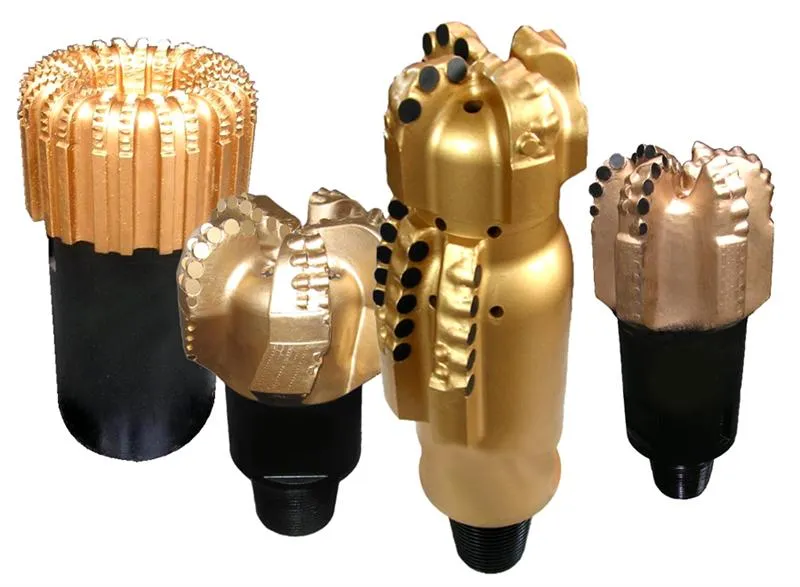
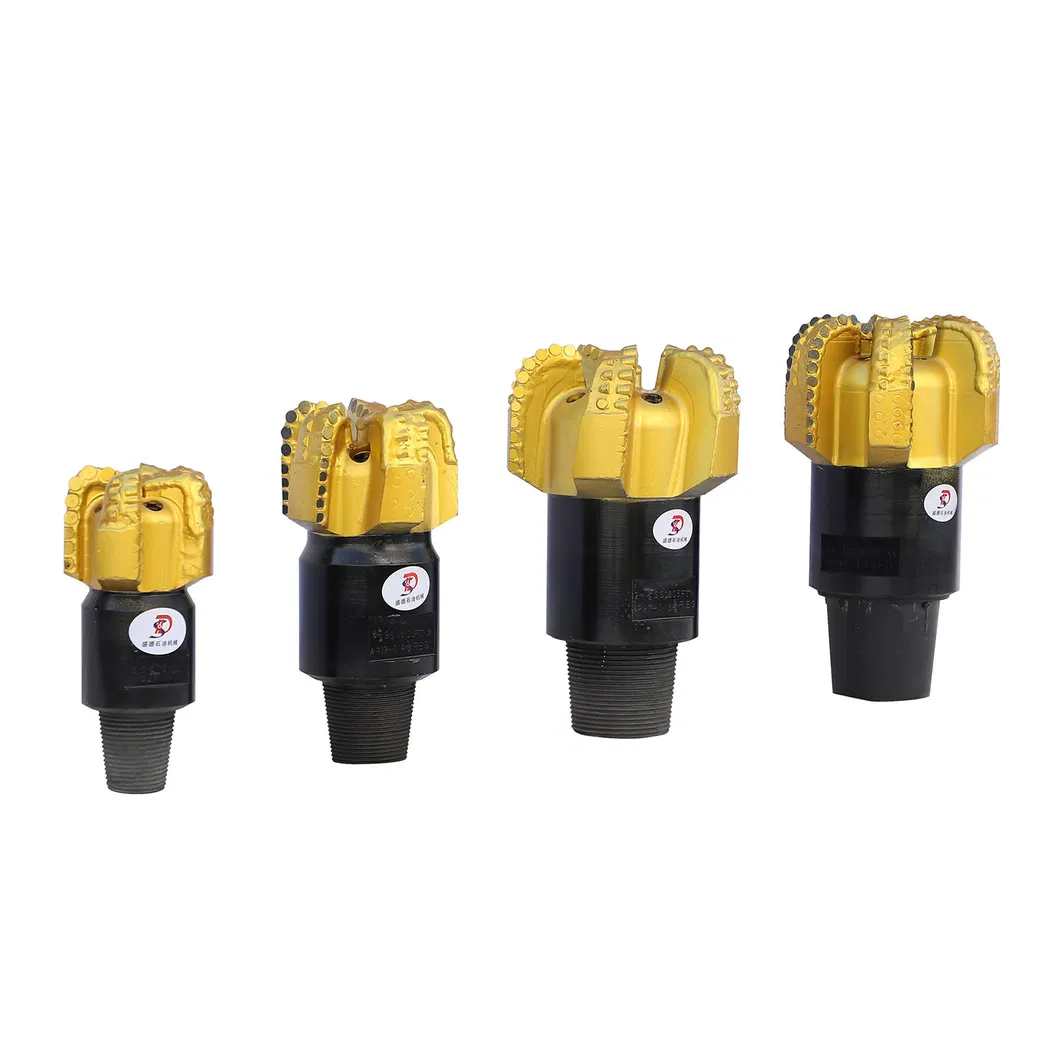
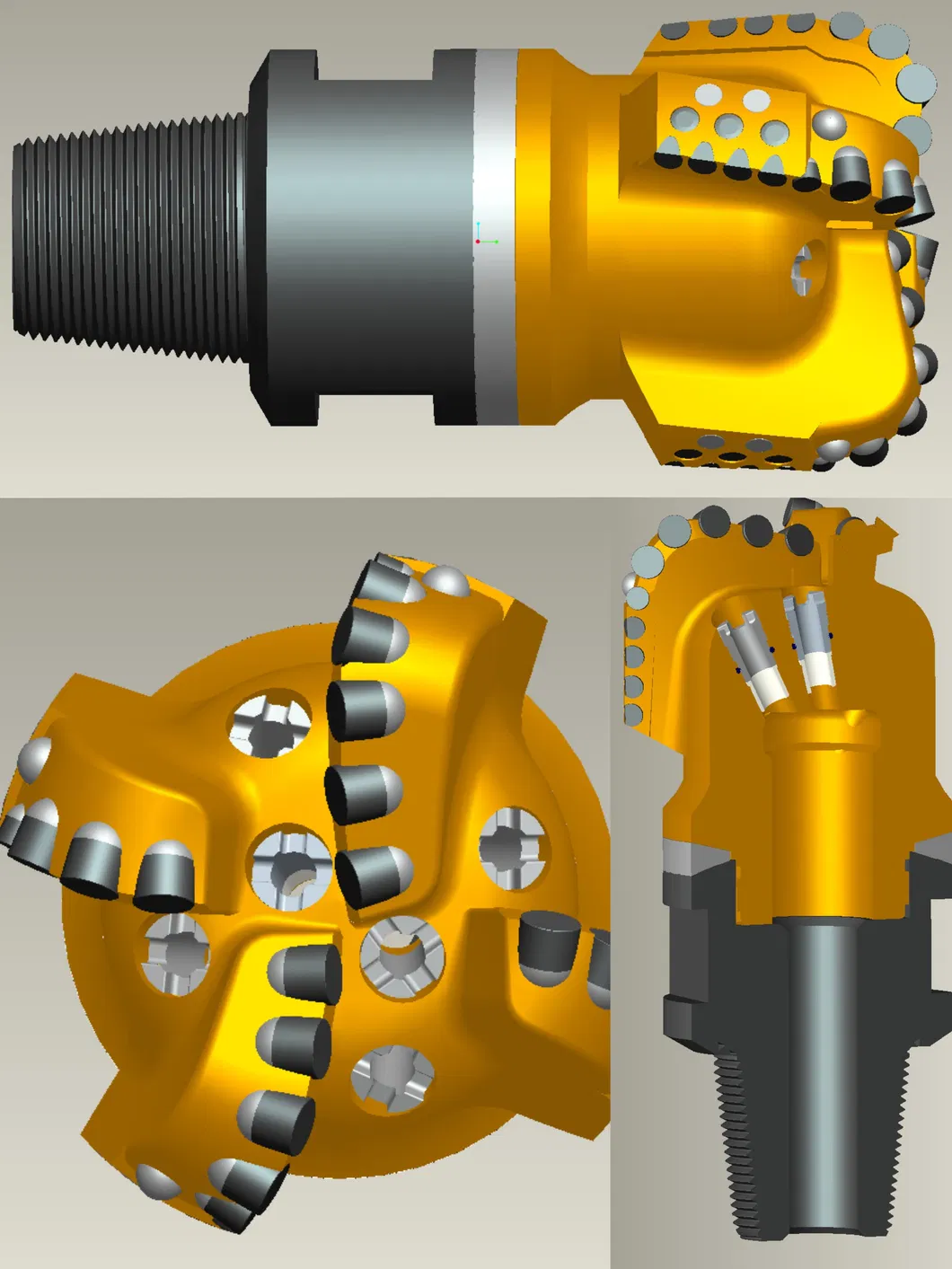
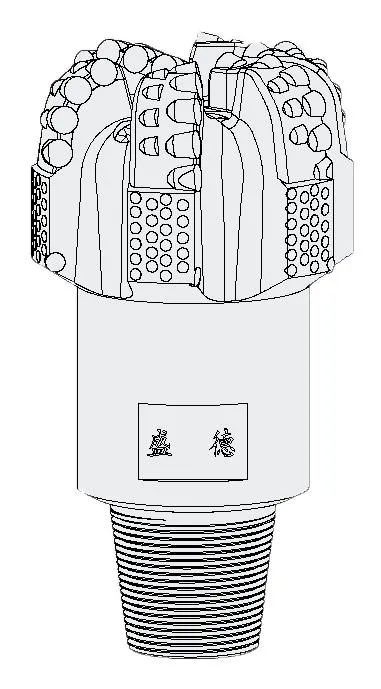
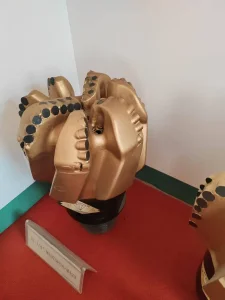
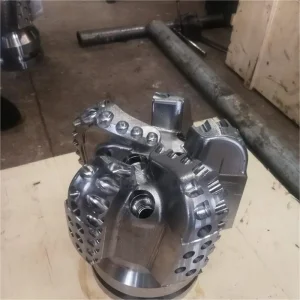
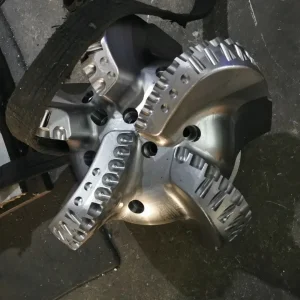
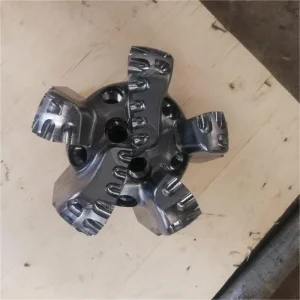
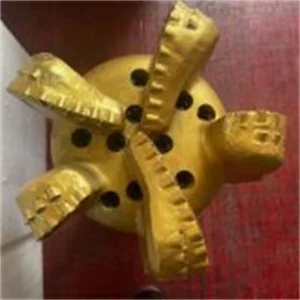
API 8 1/2" Drilling Bit, 215.9mm PDC Bit, 4 Blades
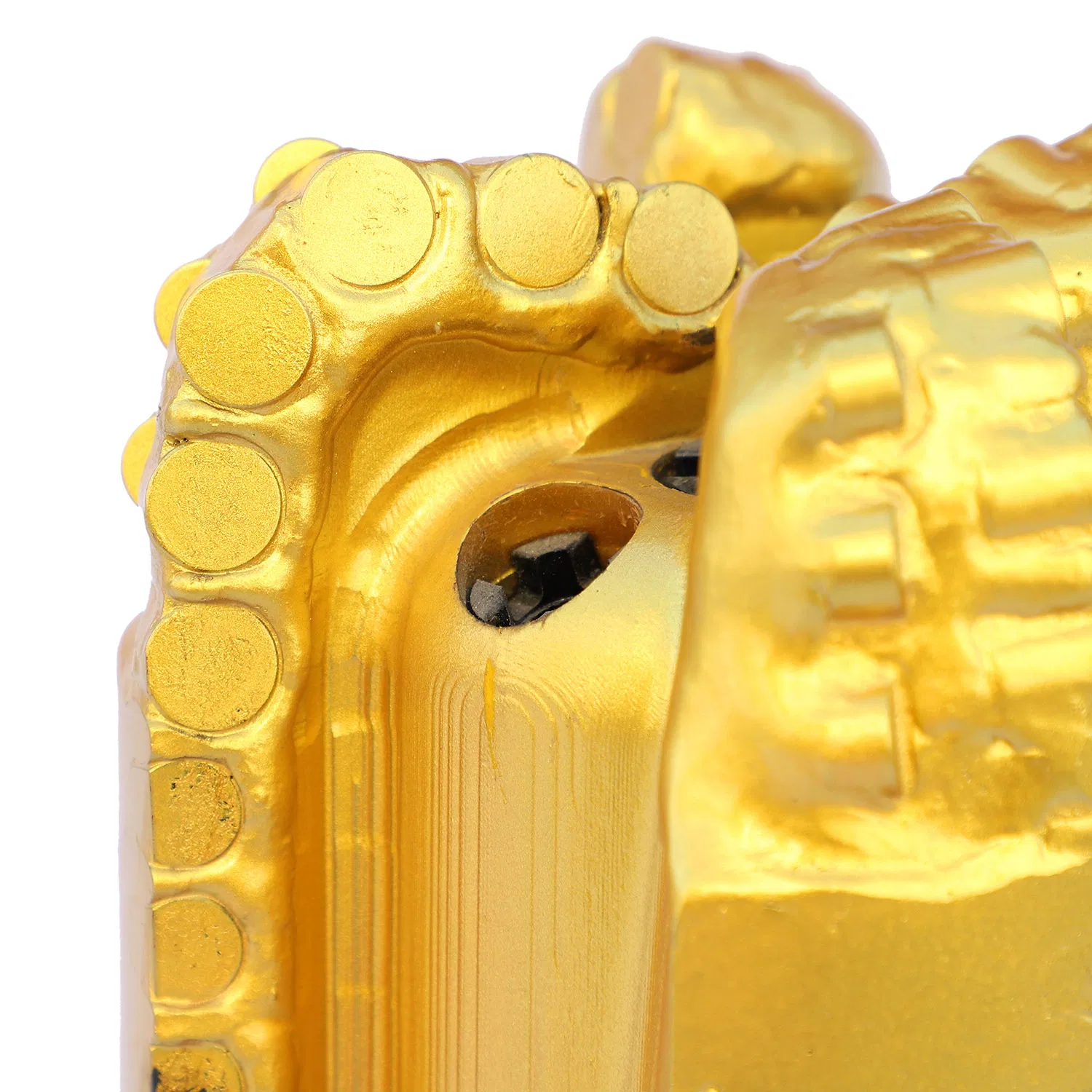
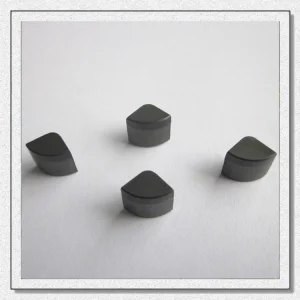
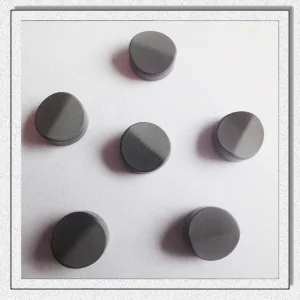
As for the mechanical strength of rock, the tensile strength is the lowest, followed by the shear strength, and the compressive strength is the highest which is often several to ten times higher than the shear strength. Obviously, it is much easier and more effective to break rock by shearing than by crushing. The PDC bit's compact cutting structure just utilizes the mechanical property of rock, and uses the efficient shearing way to break the rock, thereby achieving the purpose of fast drilling.
Industry Profile
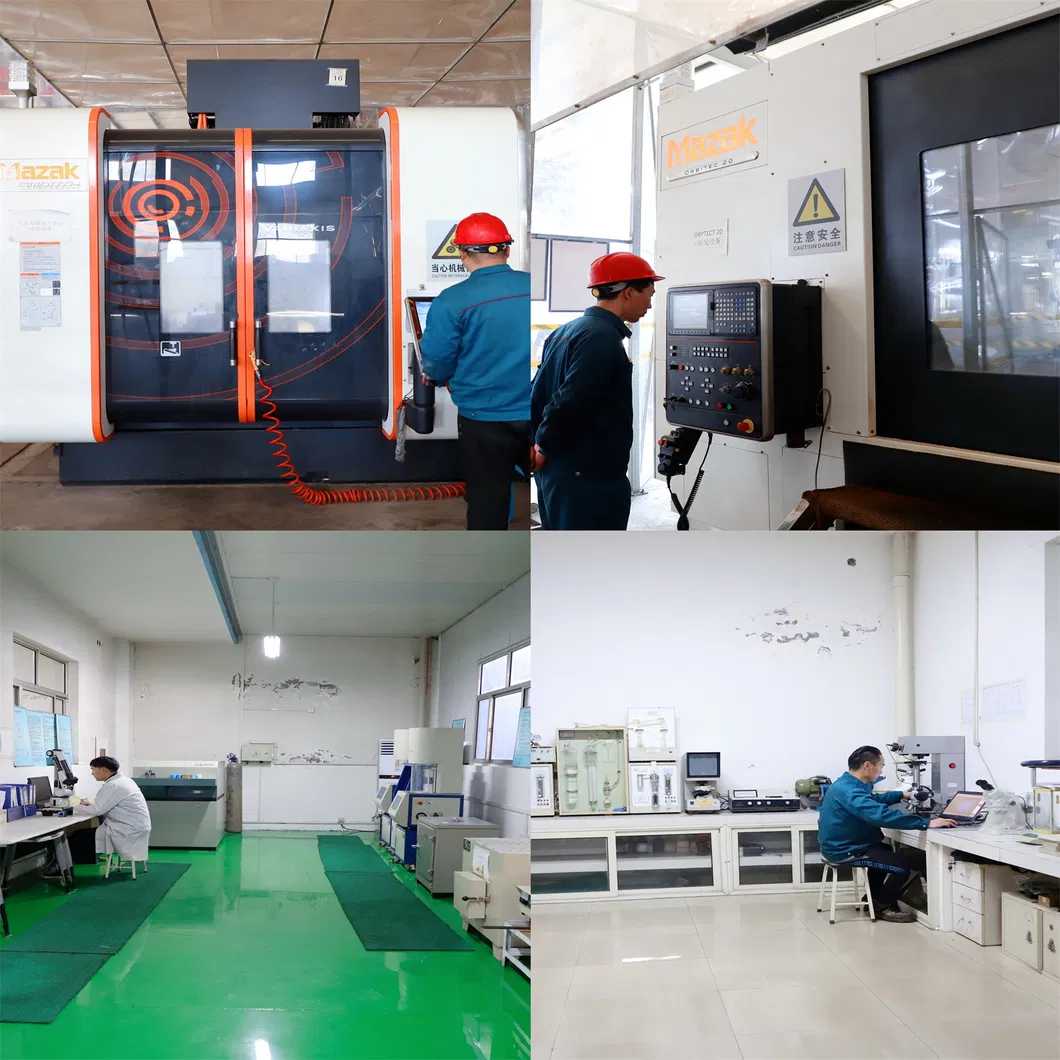
As a professional entity integrating R&D, design, and production, we serve as a high-level supplier for oil drilling and production machinery. The main product lines include Downhole Motor series, screw pump series, and PDC bit series. With an annual capacity of 4,000 sets of Downhole Motors and 2,500 sets of oil drilling bits, our products are widely recognized in global markets for their leading quality and performance.
Frequently Asked Questions
What formations are PDC bits best suited for?
PDC bits are highly effective in soft to intermediate-hard formations where shearing is the most efficient way to break rock.
How does the 4-blade design improve drilling?
The 4-blade design optimizes the balance between cutting speed and bit stability, providing efficient chip removal through large junk slots.
What materials are used in the bit body?
The drill body is manufactured using high-strength 42CrMo alloy steel, which offers excellent durability and resistance to stress.
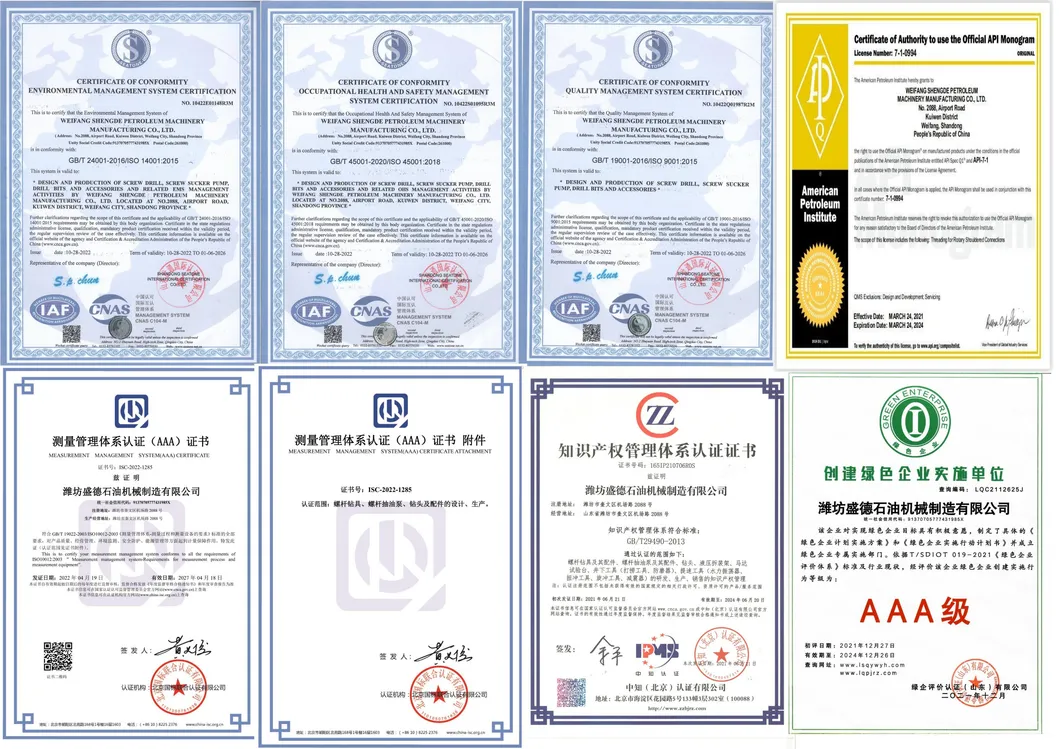
Are your bits API certified?
Yes, our drilling bits are manufactured according to API standards and follow ISO 9001:2000 quality management protocols.
What is the advantage of shearing vs. crushing?
Rock typically has much lower shear strength than compressive strength. Shearing requires less energy and achieves faster penetration rates (ROP).
Can the nozzle sizes be customized?
Yes, the nozzles are replaceable and can be configured with different sizes to optimize hydraulic flow based on specific well requirements.
 Elliott Cutters